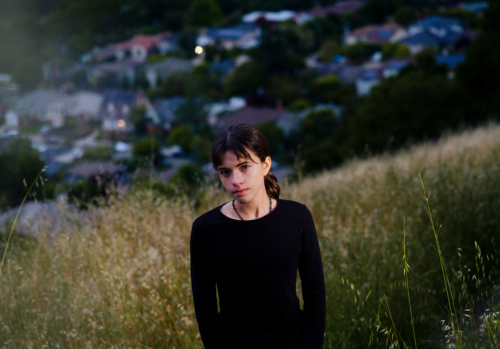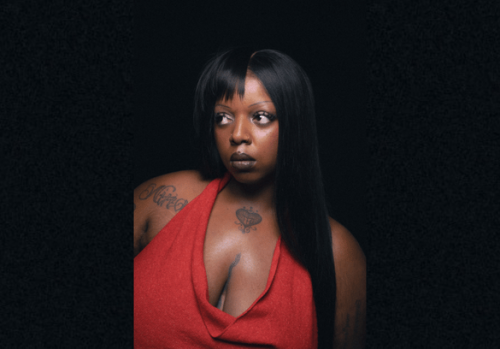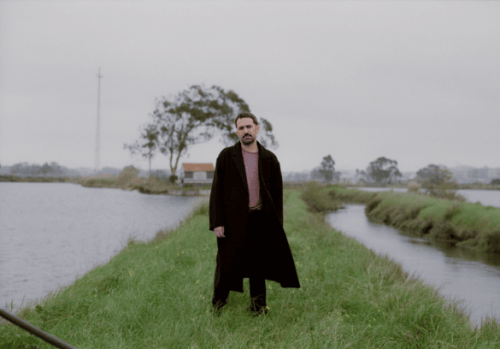
Throughout her career, Cristina Lamas has embraced travel and immersion in diverse realities as fundamental strategies for the creative process, in an aesthetic and formal quest that involves an in-depth exploration of the social, historical and political contexts of the places she visits. Thus, each new territory becomes a starting point for the construction of unique visual narratives, in which drawing acts as a tool for connecting the external and internal worlds, exploring the relationships between place and the individual in memory.
In her most recent projects, Cristina Lamas’ artistic practice has centred on exhibitions such as Marginália P21 (2019), Pororoca (2023) and Extinction (2024), all closely linked to processes of deep engagement with Amazonian realities. The artist has travelled regularly to the Amazon biome, spending months in countries such as Brazil, Peru and Colombia. This direct contact with the territories allows her to absorb the social, cultural and environmental dynamics, whilst developing a sustained practice that integrates research, investigation and artist residencies. This same multifaceted and interdisciplinary perspective, which has guided her artistic practice, led the artist to Algeria whilst developing this particular project.
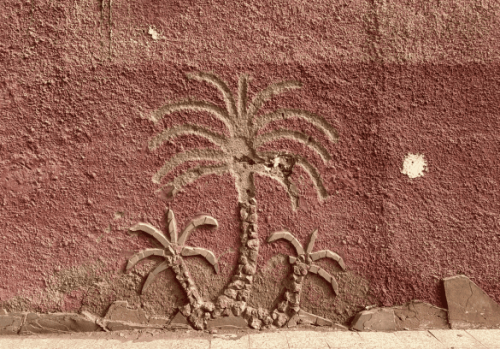
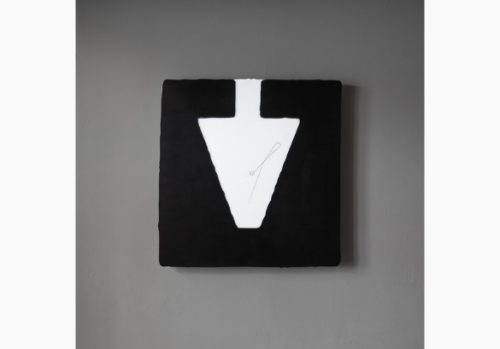
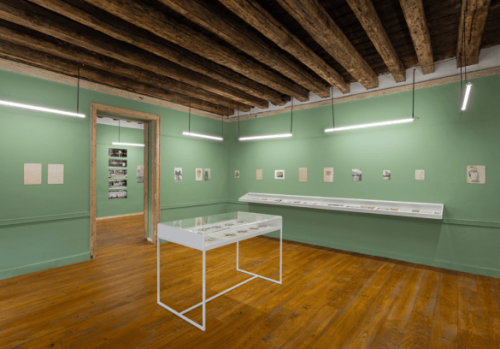
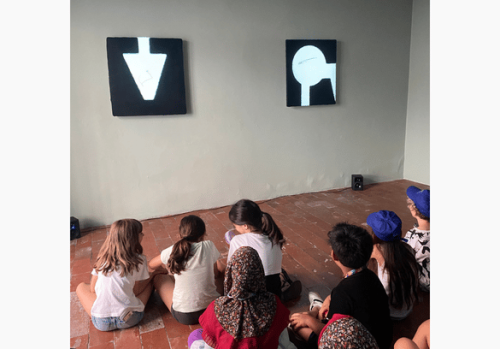
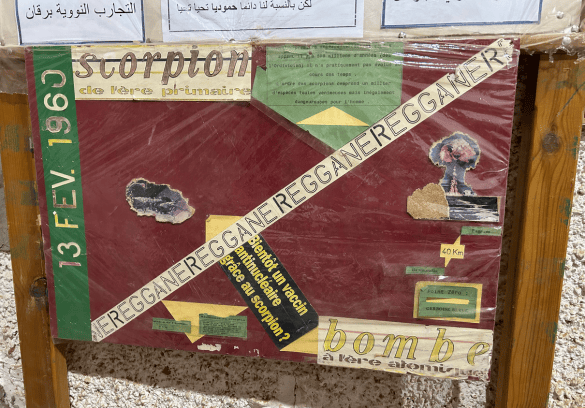
Sahara Malaise explores the regions of the Algerian Sahara affected by human intervention. The title draws on the concept of malaise (unease), which, in this context, takes on a complex meaning, as it involves the power dynamics and historical tensions within the territory. The choice of the desert, and in particular the Reggane region, was determined by the legacy of nuclear testing in the 1960s1 — this landscape brings to the fore the destruction and contamination caused by these tests.
Through the metaphor of the Sahara, the project does not merely address the desert as a geographical space, but also as a symbol of the vulnerability of ecosystems in the face of human intervention. Malaise transcends superficial unease, encompassing psychological, social, cultural and environmental dimensions that still resonate within post-colonial structures. Although the desert is generally seen as a place of aridity, Sahara Malaise offers a more complex perspective, highlighting the resilience of life in this dynamic ecosystem, where flora, fauna and human communities — adapted to resource scarcity — maintain a deep and ongoing relationship with the land.
Using a variety of media — such as drawing, textiles, photography, installation, ceramics and glass — the artist presents a critical exploration of current global challenges, inviting us to reconsider our relationship with the planet and the issues affecting it.
1On the morning of 13 February 1960, France tested its first nuclear bomb, known as ‘Gerboise Bleue’ (Blue Jerboa), in the Tanezrouft area of the Algerian Sahara, south of Reggane. ‘Gerboise Bleue’ had a yield of 70 kt, more than four times the power of ‘Little Boy’, the atomic bomb dropped by the US on Hiroshima at the end of the Second World War.